
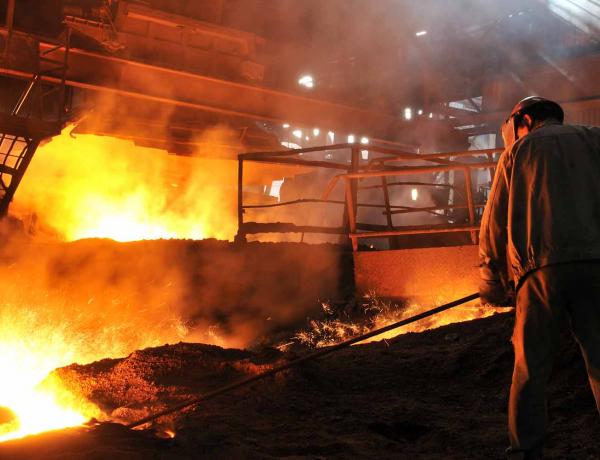
Metals Processing
Metals Processing
Accurately gauge metallurgical heating and cooling temperatures during metals processing
Read more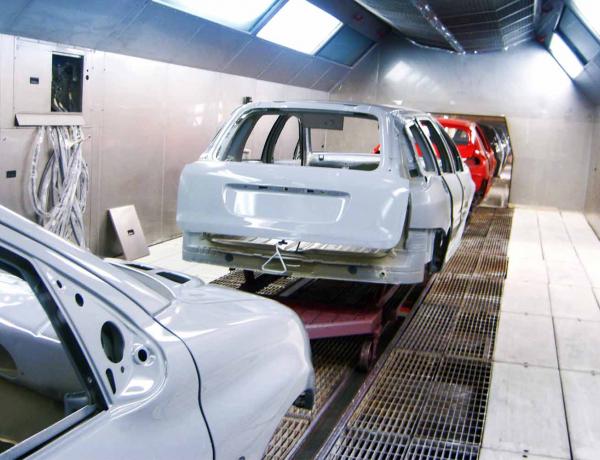
Industrial Coatings
Industrial Coatings
Control the cure and heat treatment processes in paint and powder industrial coating applications with Datapaq thermal profiling systems.
Read more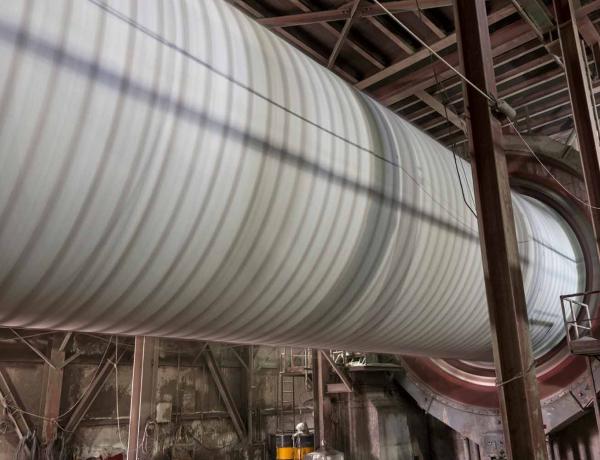
Construction Materials
Construction Materials
Ensure proper heating and cooling temperatures during cement and gypsum processing, ceramics and kiln firing, and asphalt production
Read more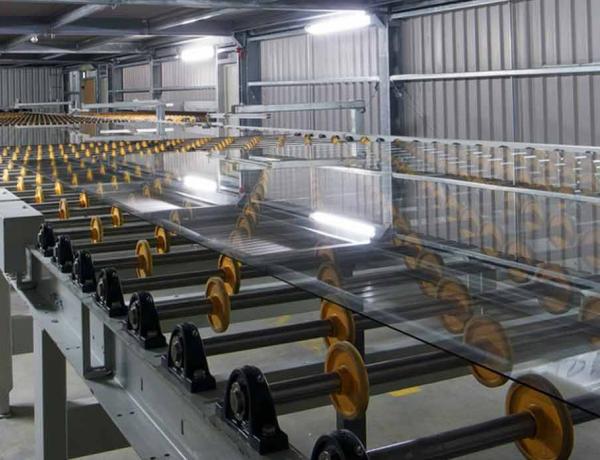
Glass
Glass
Increase product uniformity with real-time temperature monitoring of operating parameters of glass processing
Read more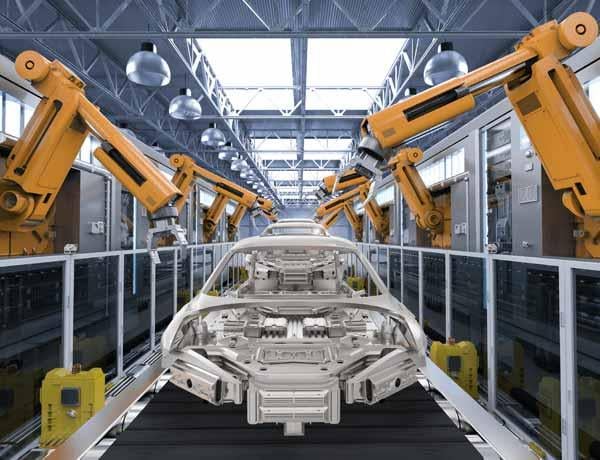
Automotive
Automotive
Quickly detect potential problems to avoid scrap, waste and energy loss in automotive production
Read more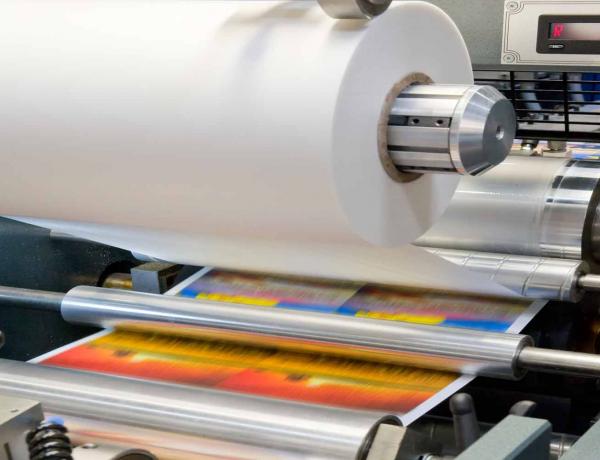
Paper Processing
Paper Processing
Establish proper drying temperatures in paper conversion process and reduce energy costs
Read more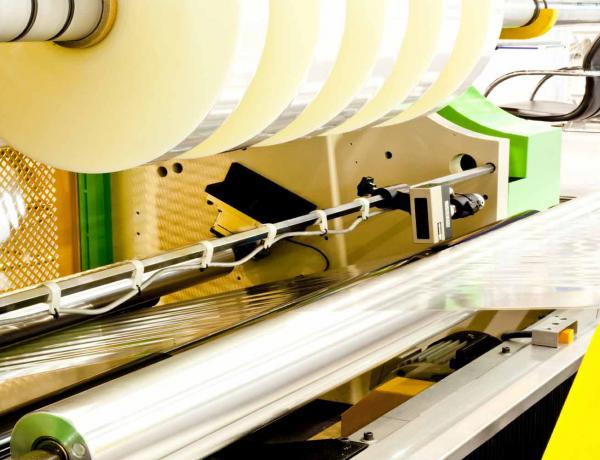
Plastic Processing
Plastic Processing
Improve productivity and efficiency of plastic processing using accurate temperature data
Read more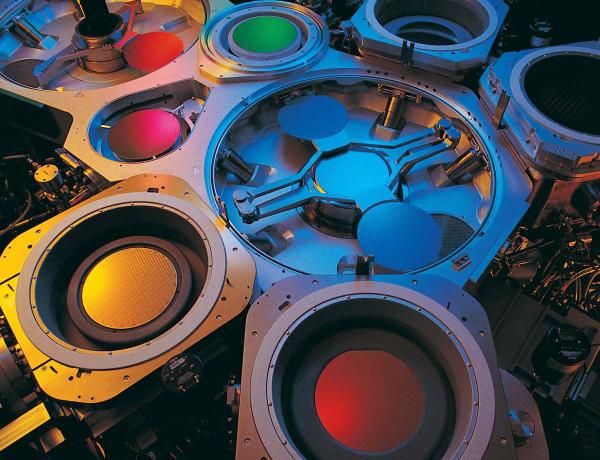
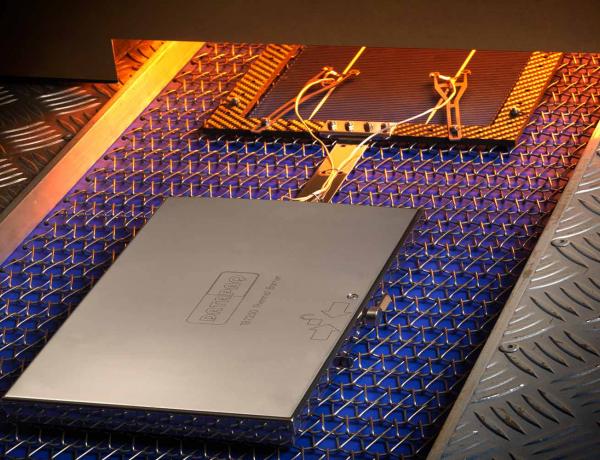
Solar PV Manufacturing
Solar PV Manufacturing
Maximize solar cell efficiency and obtain accurate repeatable results for silicon processing optimization with thermal profiling systems
Read more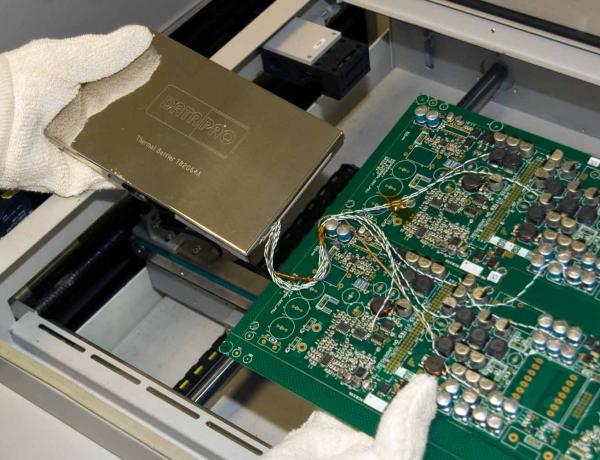
Electronics Industry
Electronics Industry
Control circuit assembly manufacturing process to ensure high quality end-products with thermal profiling systems.
Read more
Commercial Food Processing
Commercial Food Processing
Generate certified and traceable thermal profile reports to satisfy HACCP validation standards
Read more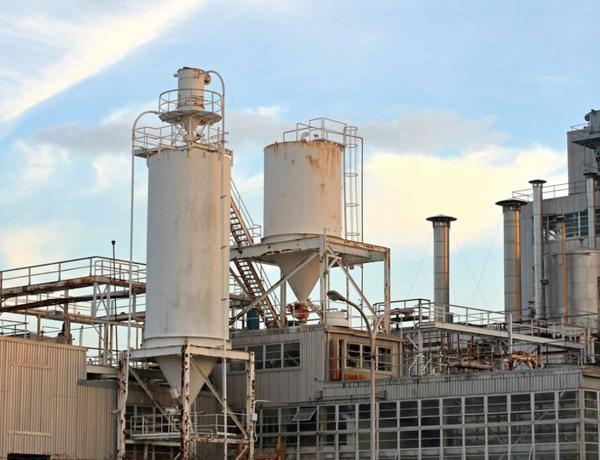
Other Industries
Other Industries
Increase productivity, enhance personnel safety and environmental control with instantaneous feedback of operating parameters
Read more


